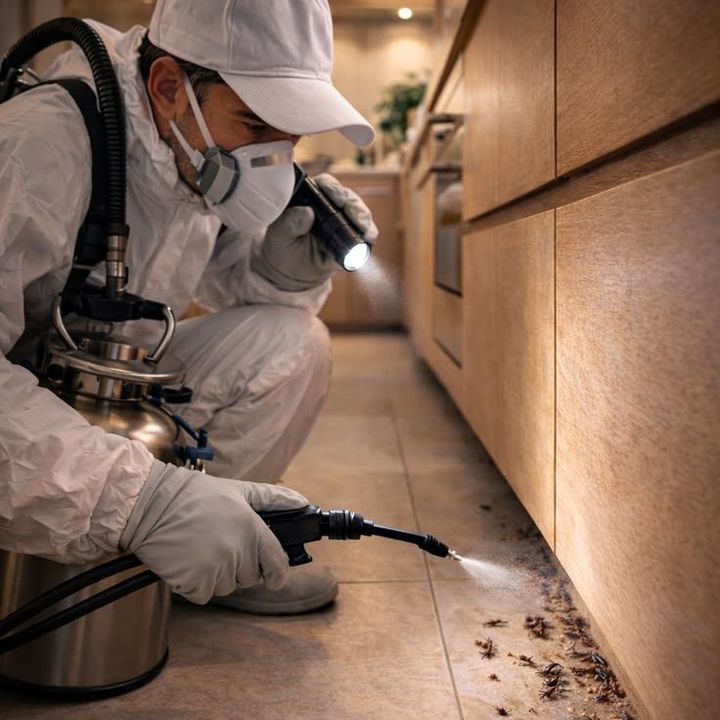
Affordable and Reliable Pest Control: Safe and Natural Solutions for Your Home
Pests are a common problem in homes of every size. Whether it is ants in the kitchen, cockroaches in dark corners, termites damaging wooden furniture, or mosquitoes making evenings uncomfortable, unwanted pests can affect daily life. Besides being a nuisance, many pests can carry bacteria, contaminate food, trigger allergies, or damage property over time. Today, homeowners have more choices than ever before. Along with traditional pest control methods, there are many natural and environmentally friendly solutions designed to reduce chemical exposure while still helping control pest populations. As awareness of health, safety, and sustainability continues to grow, many families are looking for affordable pest control options that protect both their homes and the people living in them.
Why Pest Control Matters
Ignoring a small pest problem can allow it to become much larger over time. Many insects and rodents reproduce quickly, making early action more effective than waiting until the infestation spreads.
Common reasons homeowners seek pest control include:
- Protecting family health
- Preventing food contamination
- Avoiding structural damage
- Maintaining a clean living environment
- Reducing allergens
- Protecting pets from harmful pests
- Preserving furniture and stored belongings
Regular pest management focuses on prevention rather than simply removing visible pests.
Benefits of Affordable and Reliable Pest Control
Choosing an effective pest control solution offers several long-term advantages.
Improved Health and Hygiene
Many pests carry bacteria and germs that can contaminate food preparation areas. Proper pest management helps create a cleaner living environment.
Property Protection
Termites, rodents, carpenter ants, and other pests can damage wood, insulation, wiring, and furniture. Early control reduces expensive repairs.
Better Comfort
Living without constant pest activity improves everyday comfort and reduces stress.
Long-Term Savings
Preventive treatments often cost less than repairing extensive pest damage later.
Eco-Friendly Options
Many natural solutions minimize environmental impact while helping reduce pest populations.
Peace of Mind
Routine inspections and preventive measures allow homeowners to identify problems before they become serious.
Limitations to Consider
No pest control solution is perfect. Understanding the limitations helps set realistic expectations.
| Limitation | What It Means |
|---|---|
| Natural solutions may work more slowly | Multiple applications may be needed |
| Severe infestations often require professional treatment | DIY methods have limits |
| Prevention requires ongoing effort | Cleanliness and maintenance remain important |
| Weather can influence effectiveness | Outdoor treatments may need repeating |
| Different pests require different solutions | One product rarely solves every problem |
Types of Pest Control Solutions
Understanding the available options makes choosing the right solution easier.
1. Natural Pest Control
Natural methods use ingredients and techniques with lower environmental impact.
Examples include:
- Essential oils
- Vinegar solutions
- Diatomaceous earth
- Neem oil
- Sticky traps
- Natural repellents
Best for:
- Mild infestations
- Preventive use
- Homes with children or pets (when used according to instructions)
2. Biological Pest Control
This method uses natural predators or beneficial organisms to reduce pest populations.
Examples include:
- Beneficial insects
- Microbial treatments
- Natural parasites for garden pests
Best for:
- Outdoor spaces
- Gardens
- Sustainable pest management
3. Mechanical Pest Control
Mechanical methods physically remove or block pests.
Examples include:
- Door sweeps
- Window screens
- Sealing cracks
- Traps
- Vacuum removal
Best for:
- Preventing entry
- Small infestations
4. Chemical Pest Control
Professional chemical treatments are commonly used for severe infestations.
These treatments may include:
- Residual sprays
- Baits
- Dust formulations
- Gel treatments
They should always be used according to product instructions or by trained professionals.
5. Integrated Pest Management (IPM)
Integrated Pest Management combines several methods rather than relying on one solution.
Typical IPM includes:
- Inspection
- Monitoring
- Prevention
- Targeted treatment
- Follow-up inspections
Many experts consider IPM one of the most balanced approaches because it aims to minimize unnecessary pesticide use.
Common Household Pests and Recommended Approaches
| Pest | Common Signs | Recommended Solution |
|---|---|---|
| Ants | Trails near food | Seal entry points, bait stations, natural repellents |
| Cockroaches | Droppings, unpleasant odor | Professional inspection, sanitation, gel baits |
| Termites | Hollow wood, mud tubes | Professional treatment and regular inspections |
| Mosquitoes | Standing water, bites | Remove water sources, screens, repellents |
| Rodents | Droppings, gnaw marks | Seal openings, traps, sanitation |
| Bed Bugs | Bite marks, mattress spots | Professional heat treatment or targeted control |
| Spiders | Webs in corners | Remove webs, reduce insects, seal entry points |
| Silverfish | Paper damage | Reduce humidity and improve storage |
Latest Trends in Safe Pest Control
Modern pest control continues to evolve with a stronger focus on sustainability and precision.
Eco-Friendly Formulations
Manufacturers are developing products with naturally derived ingredients that reduce environmental impact.
Smart Monitoring Systems
Digital monitoring devices help identify pest activity early before infestations become severe.
Low-Toxicity Treatments
New formulations focus on reducing unnecessary chemical exposure while maintaining effectiveness.
Heat Treatments
Heat-based pest removal is becoming more common for certain pests because it avoids heavy chemical use.
Data-Driven Pest Management
Some professional providers now use digital inspection reports and monitoring tools to recommend targeted treatments instead of broad applications.
Preventive Home Protection Plans
Rather than responding only after pests appear, many homeowners choose scheduled inspections throughout the year.
Key Features to Consider Before Choosing a Pest Control Solution
Not every solution fits every household.
Consider these important factors.
Safety
Look for products or services that provide clear safety instructions and are suitable for your household needs.
Target Pest
Different pests require different treatment methods.
Indoor or Outdoor Use
Some products work only indoors, while others are designed specifically for outdoor areas.
Ease of Application
DIY solutions should include clear instructions and require minimal equipment.
Preventive Protection
Choose options that help prevent future infestations rather than only removing existing pests.
Environmental Impact
Many homeowners prefer solutions designed to minimize effects on beneficial insects and surrounding ecosystems.
Professional Support
For larger infestations, professional inspections can improve treatment effectiveness.
Comparison of Pest Control Methods
| Method | Best For | Safety | Speed | Long-Term Prevention |
|---|---|---|---|---|
| Natural Remedies | Small infestations | High | Moderate | Moderate |
| Mechanical Control | Prevention | High | Fast | High |
| Biological Control | Gardens | High | Moderate | High |
| Professional Treatment | Large infestations | High when properly applied | Fast | High |
| Integrated Pest Management | Most homes | High | Moderate | Excellent |
Top Pest Control Companies and Well-Known Solutions
Many homeowners compare professional service providers before making a decision. Availability varies by country and region.
Some widely recognized names include:
- Terminix
- Orkin
- Rentokil
- Ehrlich Pest Control
- Truly Nolen
- Western Exterminator
- Aptive Environmental
When comparing providers, consider:
- Inspection process
- Treatment methods
- Experience with your specific pest
- Preventive maintenance plans
- Customer reviews
- Safety practices
- Service guarantees where available
Local licensed providers may also offer reliable service with knowledge of regional pest problems.
How to Choose the Right Pest Control Option
Finding the right solution depends on your specific situation.
Step 1: Identify the Pest
Correct identification is the foundation of effective treatment.
Step 2: Assess the Severity
Ask yourself:
- Is it one or two insects?
- Are pests appearing every day?
- Is there visible property damage?
Larger infestations often require professional assistance.
Step 3: Consider Household Needs
Think about:
- Children
- Pets
- Elderly family members
- Allergy concerns
Choose methods appropriate for your living environment.
Step 4: Compare Treatment Approaches
Evaluate:
- Natural methods
- Professional services
- Preventive maintenance
- DIY solutions
Step 5: Focus on Prevention
Long-term prevention usually provides better value than repeatedly treating the same problem.
Home Maintenance Checklist for Pest Prevention
Use this simple checklist throughout the year.
Kitchen
- Store food in sealed containers
- Clean crumbs immediately
- Empty garbage regularly
- Repair leaking pipes
Bathroom
- Reduce moisture
- Improve ventilation
- Repair water leaks
Living Areas
- Vacuum regularly
- Declutter storage areas
- Inspect furniture
- Seal wall cracks
Outside the Home
- Trim vegetation near walls
- Remove standing water
- Keep firewood away from the house
- Clean gutters
- Inspect roof openings
Monthly Inspection
- Check attic
- Inspect basement
- Look behind appliances
- Examine windows and doors
Consistent maintenance is one of the most effective ways to reduce future pest problems.
Signs You May Need Professional Help
DIY methods work well for minor problems, but some situations require expert assistance.
Consider professional inspection if you notice:
- Recurring infestations
- Large numbers of insects
- Structural damage
- Rodent activity
- Persistent termite signs
- Bed bug infestations
- Multiple pest types at the same time
Early intervention often prevents larger problems later.
Common Mistakes to Avoid
Many homeowners unintentionally make pest problems worse.
Avoid these common mistakes:
- Ignoring early warning signs
- Leaving food uncovered
- Using multiple pesticides without understanding their purpose
- Blocking only visible entry points
- Skipping follow-up inspections
- Relying on a single treatment for long-term control
- Not addressing moisture problems
A balanced approach usually provides better results than excessive treatment.
Frequently Asked Questions
Are natural pest control methods effective?
Natural methods can work well for prevention and small infestations. Larger infestations may require additional treatment or professional assistance.
Is pest control safe for homes with children and pets?
Many products and professional treatments are designed with household safety in mind when used according to instructions. Always follow label directions and any recommended precautions.
How often should a home be inspected for pests?
A general inspection every few months can help identify early signs of pest activity. Homes in areas with frequent pest issues may benefit from more regular inspections.
Can I prevent pests without using chemicals?
Yes. Good sanitation, sealing entry points, removing standing water, reducing moisture, and maintaining the home can significantly lower the risk of pest problems.
What attracts pests to a home?
Food scraps, moisture, clutter, open entry points, standing water, and improperly stored garbage are among the most common factors.
When should I call a professional?
If pests continue returning despite preventive efforts, if there is visible damage, or if the infestation appears widespread, a professional evaluation is often the most practical next step.
Is one treatment enough?
It depends on the pest and the severity of the infestation. Some situations can be resolved with a single treatment, while others require follow-up visits and preventive maintenance to reduce the chance of recurrence.
Final Thoughts
Safe and affordable pest control is about more than removing unwanted insects or rodents—it is about creating a healthier, cleaner, and more comfortable home. The most effective approach combines prevention, routine maintenance, and targeted treatment when needed. Natural solutions can be a practical choice for everyday prevention and minor issues, while professional services may be appropriate for larger or recurring infestations.